Blog
How to Master the Bobble Stitch: Step-by-Step Beginners Guide.
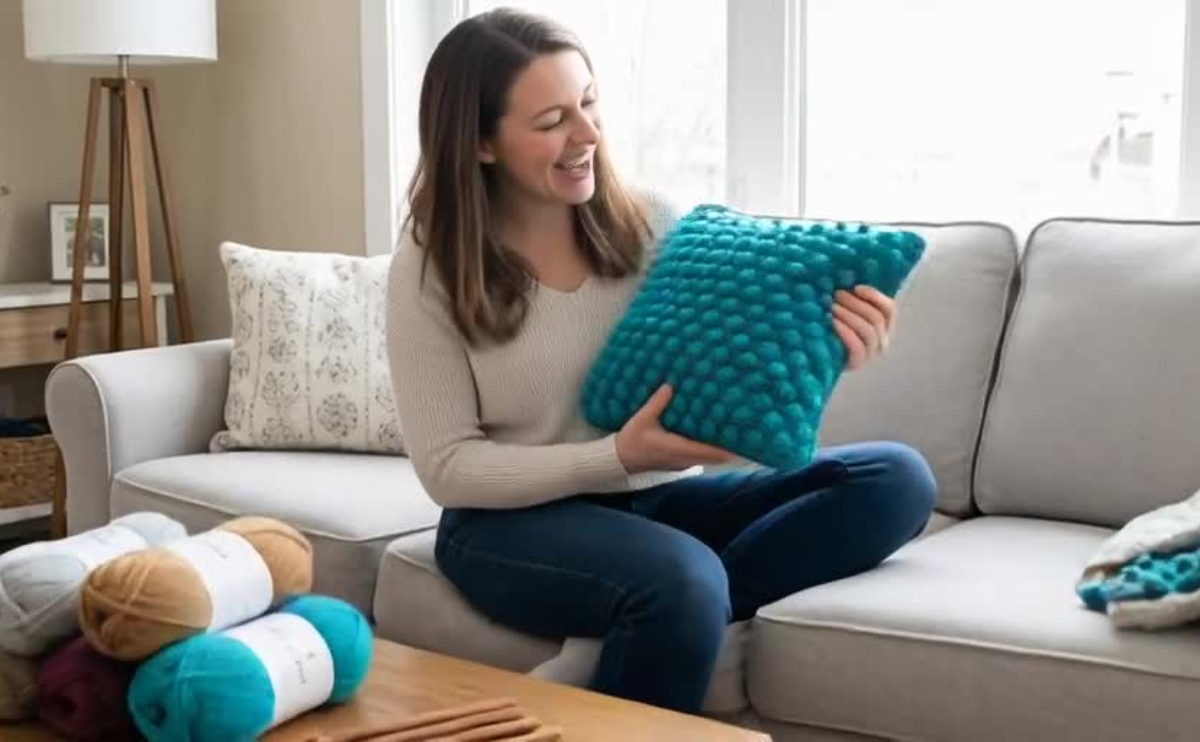
If you’ve ever run your fingers over a crochet blanket and felt those satisfying, raised "bubbles" of yarn, you’ve likely encountered the Bobble Stitch. It is the undisputed heavyweight champion of texture, turning flat fabric into a 3D masterpiece. Whether you are crafting cozy home decor or whimsical amigurumi, the bobble stitch adds a playful, professional dimension that instantly elevates your work from basic to bespoke.
What is a Bobble Stitch?
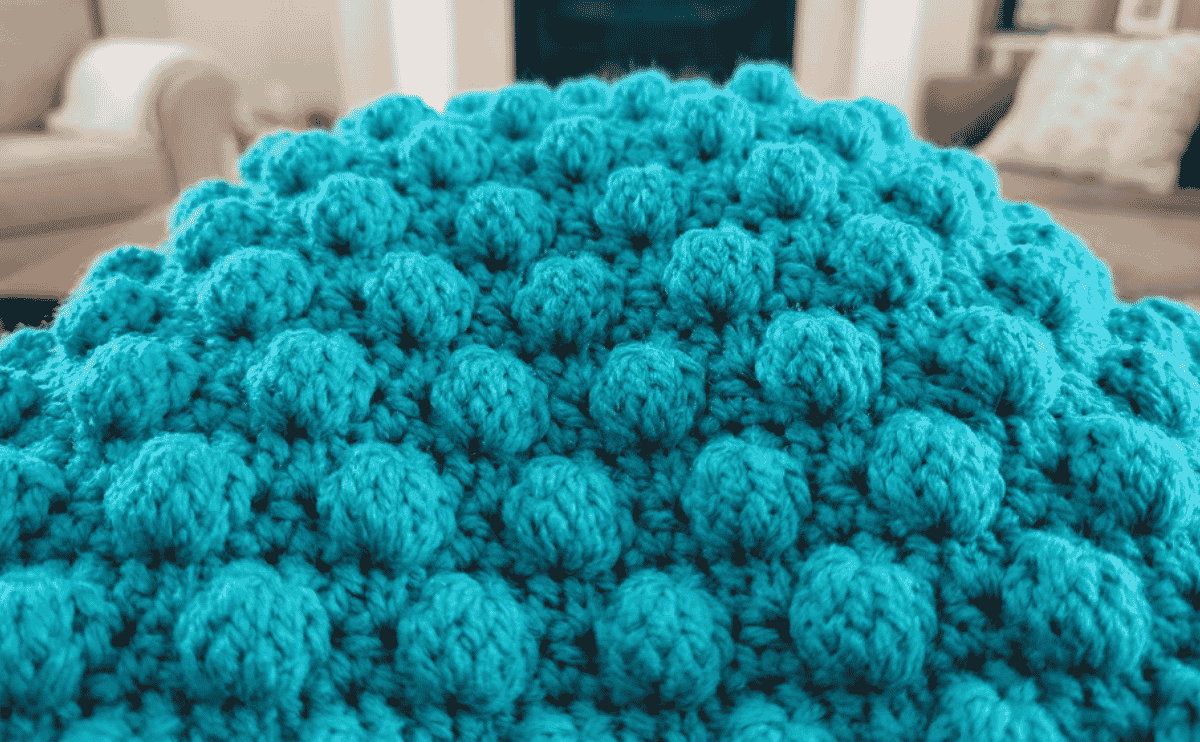
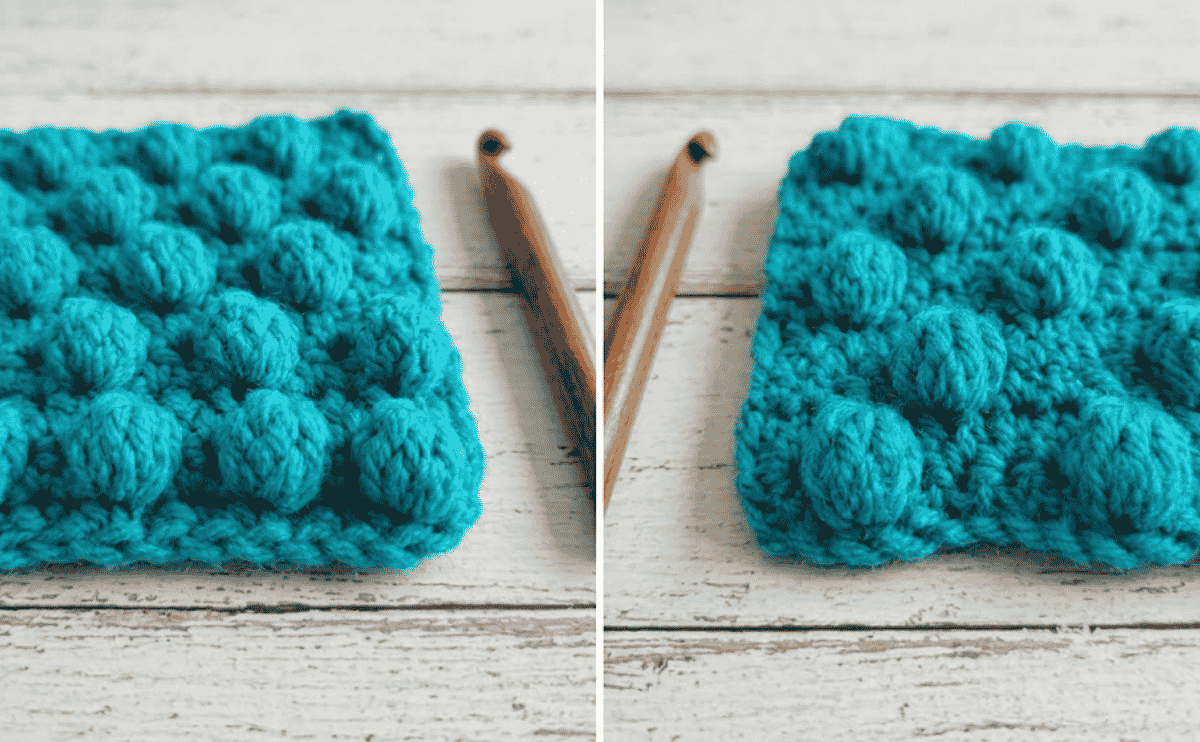
The Bobble Stitch is a decorative technique created by working multiple incomplete stitches into the same stitch, then joining them together at the top. Unlike standard stitches that lie flat, the bobble pushes the excess fabric forward to create a rounded, 3D texture. Because it is worked on the "wrong side" of your project to pop out on the "right side," it creates a bold, sculptural effect that is perfect for outlining shapes or adding tactile interest.
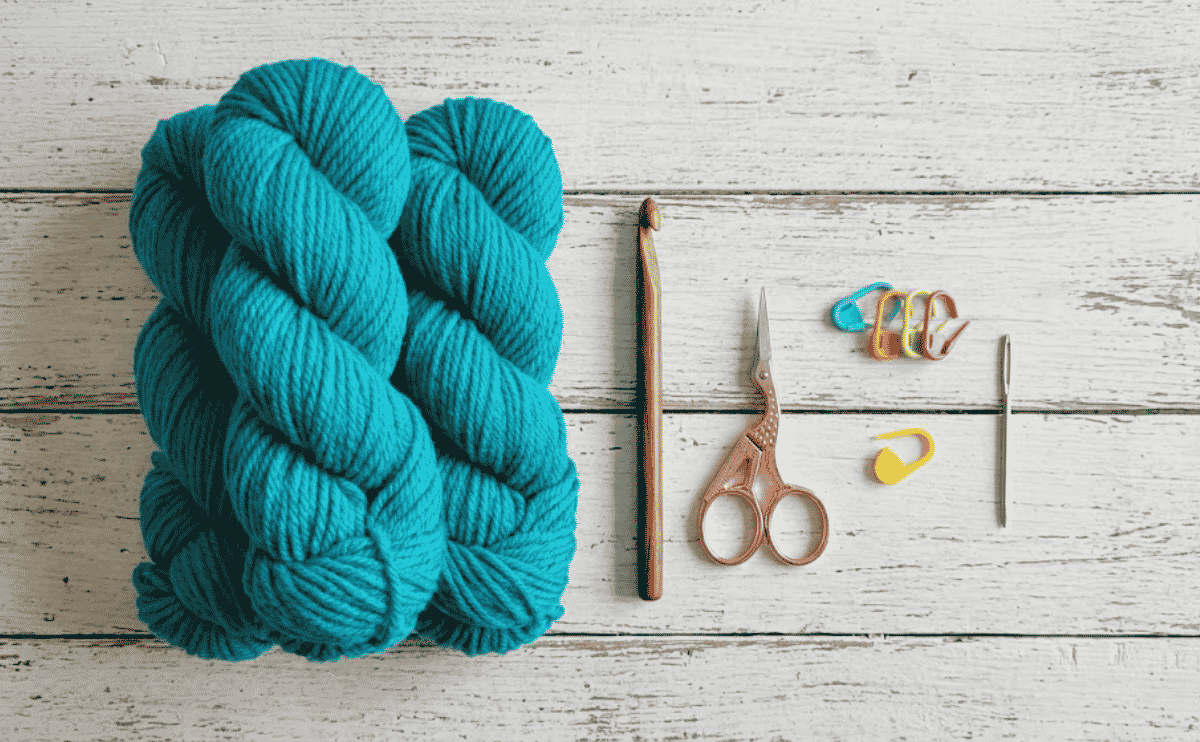
Materials Needed
To get started with bobbles, you’ll need your standard crochet toolkit:
Yarn: Any weight works, but smooth yarns (like cotton or acrylic blends) show off the stitch definition best.
Crochet Hook: Use the size recommended for your yarn, or go down half a size if you want extra-tight, firm bobbles.
Scissors
Tapestry Needle: For weaving in ends.
Stitch Markers: Helpful for keeping track of your rows.
The Technique: Step-by-Step
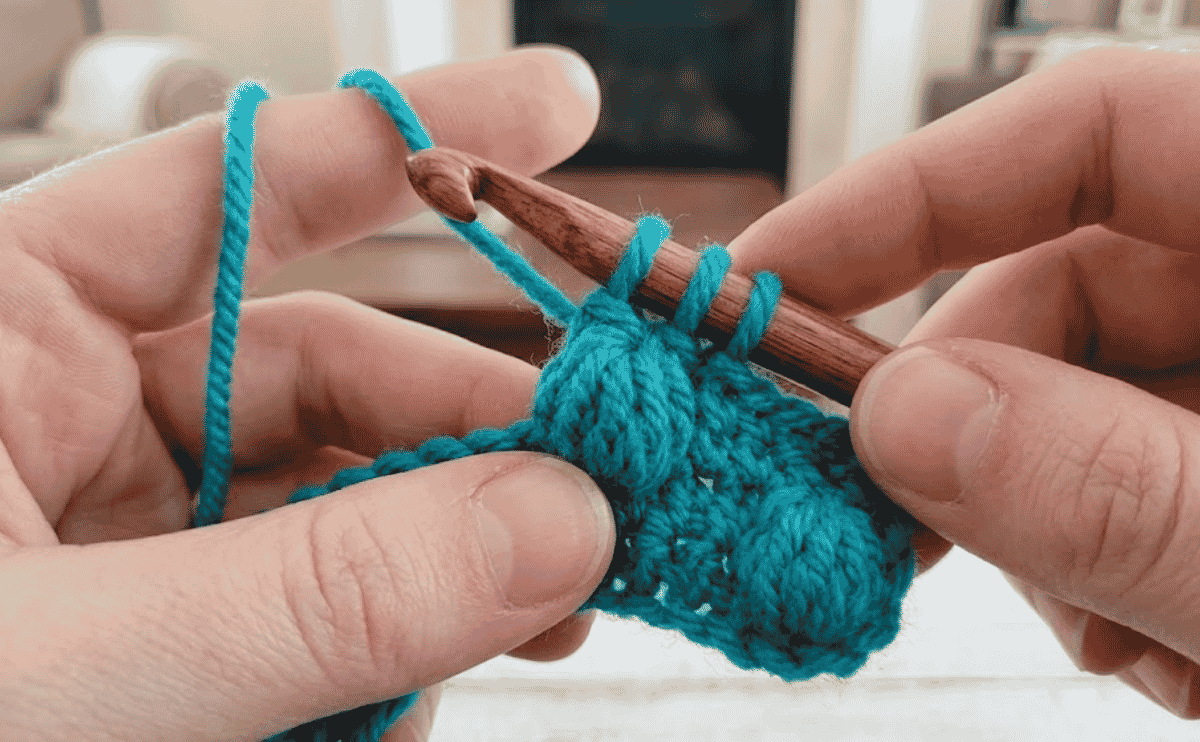
The most common version is the 4-double crochet (dc) bobble, but you can add more stitches for a larger "pop."
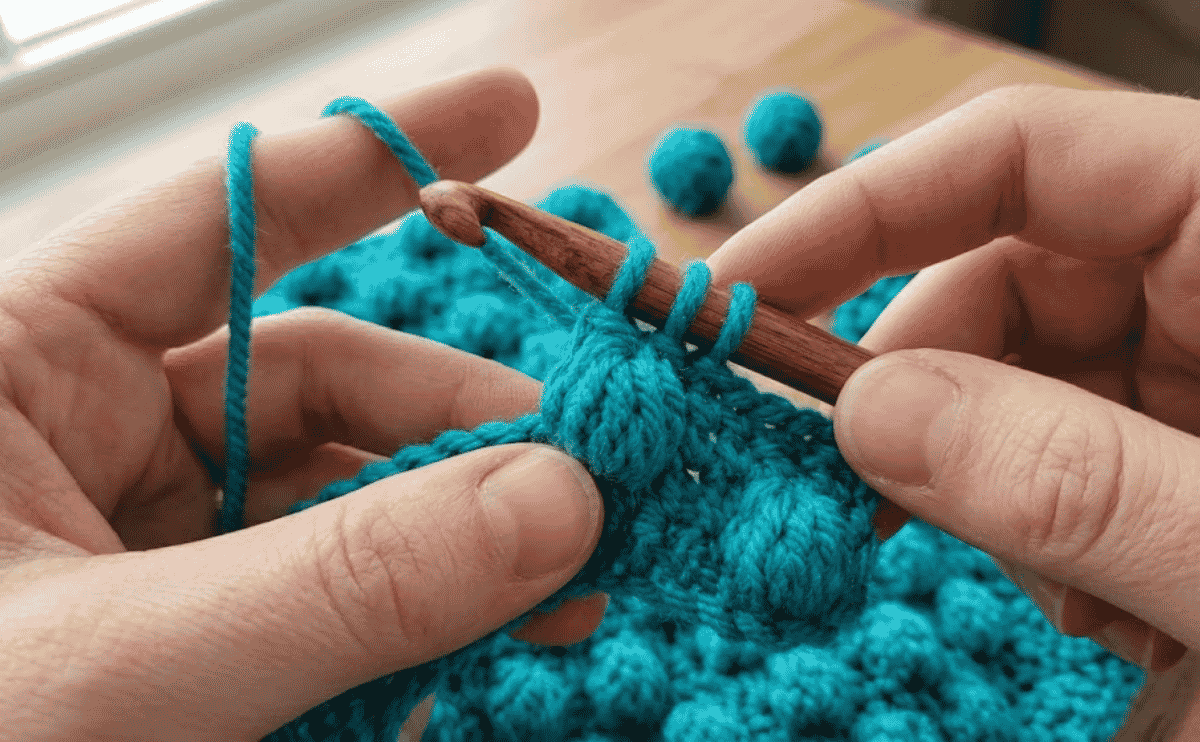
Yarn Over (YO): Yarn over and insert your hook into the designated stitch.
Pull Through: YO and pull up a loop. YO and pull through the first two loops on your hook. (You now have two loops on your hook and one "half-finished" dc).
Repeat: YO and insert the hook into that same stitch. YO and pull up a loop. YO and pull through the first two loops. (Three loops on hook).
Repeat again: Repeat this process until you have 5 loops on your hook (representing 4 incomplete double crochets).
The Final Close: YO and pull through all 5 loops on your hook.
Secure the Stitch: Usually, you will work a single crochet (sc) into the next stitch to "anchor" the bobble and force it to pop forward.
Common Mistakes Beginners Make
Tension Troubles: If you pull your loops too tight during the "half-finished" stages, it becomes nearly impossible to pull the hook through all 5 loops at the end. Keep your tension consistent and slightly relaxed.
The Wrong Side: Remember that the bobble pops out away from you. If you want the texture on the front of your blanket, you must work the bobble row while looking at the back (wrong side) of your work.
Forgetting the Anchor: A bobble needs a shorter stitch (like a single crochet) immediately following it to give it that rounded shape. Without a short anchor stitch, it will just look like a loose cluster.
Pro-Tips for Perfection
The "Extra Pop": When you finish the bobble and move to the next stitch, give your yarn a firm tug before completing the next single crochet. This cinches the top of the bobble and forces it to protrude further.
Contrast is Key: Use a solid color yarn to practice. Variegated or "busy" yarns can sometimes hide the beautiful 3D geometry of the stitch.
Hook Choice: If your bobbles look "holey," try using a hook that is slightly smaller than what the yarn label suggests.
FAQs
Is it a "yarn eater"?
Yes. Because you are essentially putting four or five stitches into the space of one, the bobble stitch consumes significantly more yarn than standard flat stitches. If you’re planning a full bobble blanket, make sure to buy an extra skein or two!
What is the difference between a Bobble and a Popcorn stitch?
While they look similar, the Popcorn stitch involves completing 5 full double crochets, removing your hook, and re-inserting it to pull the loops together. The Bobble is worked as a series of incomplete stitches joined at the top. Bobbles are generally slightly flatter and more integrated into the fabric than the highly raised Popcorn.
Conclusion
The bobble stitch is more than just a technique; it’s a way to add personality and touchable detail to your crochet repertoire. From the intricate scales of a dragon to the cozy dots on a baby blanket, the possibilities are endless.
Ready to get started? Grab your favorite hook and a scrap of yarn today and practice five bobbles in a row. Once you see that texture come to life, you’ll be looking for ways to add "pops" to every project you own!